
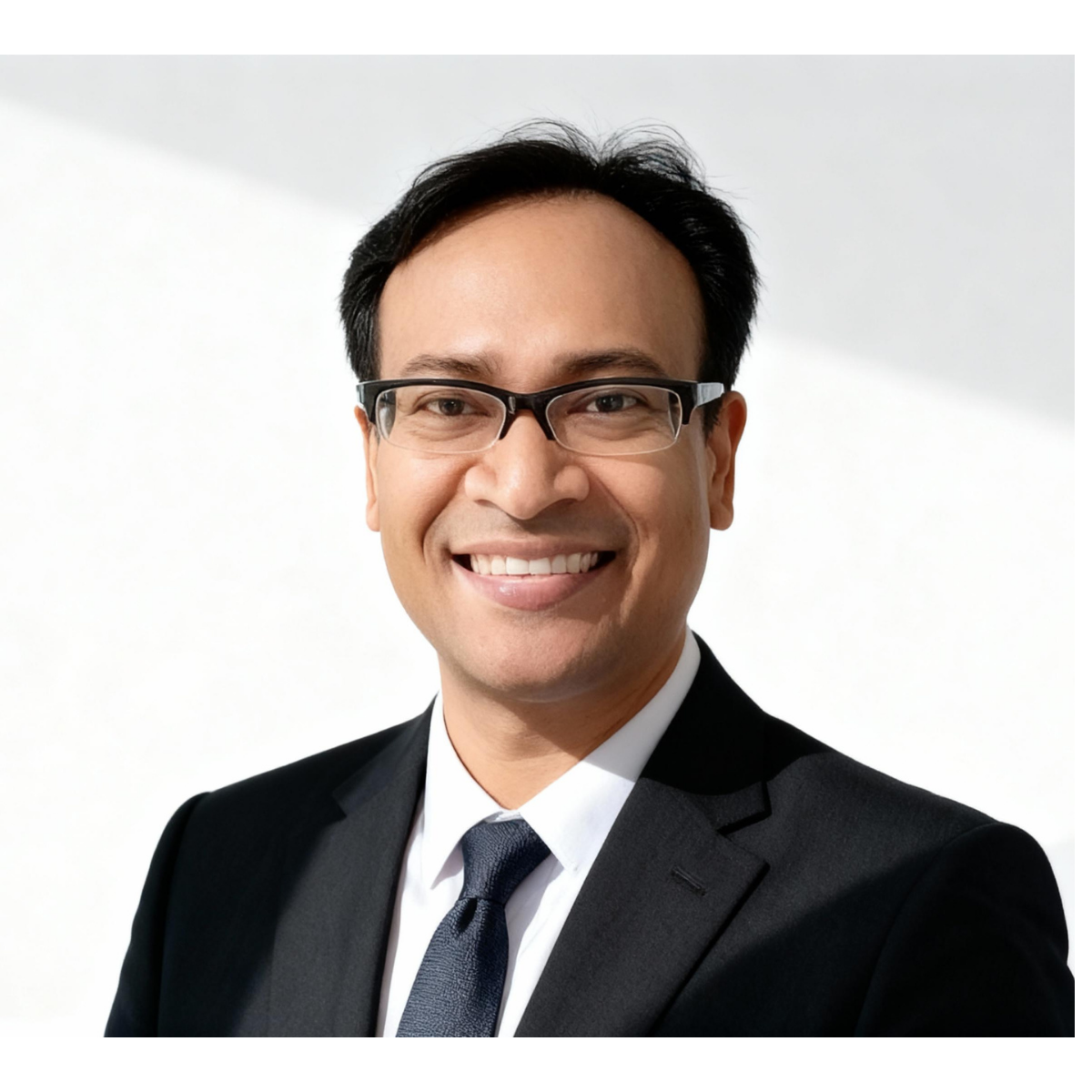
THE ARGUMENT IN BRIEF
A tidy marketing funnel cannot describe every path to purchase. Anil challenges teams to account for fragmented journeys and the limits of last-click measurement.
For decades, marketing textbooks preached a simple formula:
👉 Awareness → Consideration → Purchase → Loyalty
A neat funnel. A predictable path. A framework so widely accepted that the industry built entire strategies around it.
But the reality? Customer journeys today look nothing like this.
· They are fragmented.
· They are unpredictable.
· And most importantly—they don’t move in straight lines.
Yet, many brands still operate as if the classic funnel holds true.
They measure success through last-click attribution, ignoring months of subconscious influence.
They obsess over retargeting, assuming a display ad is enough to trigger a sale.
They chase brand loyalty, failing to see that today’s customers are nomadic—not loyal.
It’s time to confront an uncomfortable truth:
🚨 The customer journey is not a funnel—it’s a chaotic maze. 🚨
And if your marketing strategy hasn’t adapted, you’re already losing.
Welcome to the Era of Non-Linear Journeys
Consumers today are platform-hopping, algorithm-fed, and attention-fragmented.
A potential buyer might:
Watch a YouTube review of your product.
Forget about it for three months.
Stumble upon your brand in an Instagram ad.
Compare prices on Amazon.
Walk into a physical store to try it.
Get influenced by a TikTok creator’s unboxing video.
Eventually buy—on a random Tuesday at 2 AM—because of a Google Search ad they barely remember clicking.
Tell me—where does that fit in your “customer funnel”?
Byron Sharp Was Right—But Not Entirely

In How Brands Grow, Byron Sharp on Sharp challenged conventional marketing wisdom, arguing that:
✅ Brand loyalty is overrated—growth comes from light buyers.
✅ Mental availability beats emotional connection.
✅ Being easy to buy matters more than being deeply loved.
And today’s chaotic customer journeys prove him right.
People don’t pledge lifelong loyalty to brands anymore.
They buy what’s available, what’s familiar, and what’s top-of-mind at the moment of need.
But Sharp’s theories also miss a crucial nuance:
💡 Mental availability alone is not enough in an era of infinite choice.
💡 Consumers need relevance, context, and nudges across multiple touchpoints.
Being everywhere isn’t the goal. Being unforgettable when it counts—is.
The Attribution Mirage: Are We Chasing Shadows?
With these convoluted journeys, attribution models are failing spectacularly.
🚫 Last-click attribution? It ignores the hundreds of moments that came before.
🚫 First-click attribution? It assumes the first interaction was the most important.
🚫 Multi-touch attribution? It pretends every touchpoint carries equal weight.
Yes, a lot of new ones have also come up, too.
The hard truth?
Attribution is an illusion.
Customers don’t make decisions in a single moment. They make them across a hundred scattered interactions, shaped by subconscious influences algorithms can’t track.
Yet, performance marketers are still obsessed with "crediting" a sale to one channel—as if that will solve their growth challenges.
It won’t.
Because the true driver of conversions is often invisible:
A conversation over coffee.
A forgotten recommendation from a friend.
A YT Shorts,they scrolled past—but their brain didn’t.
Attribution models won’t capture this. No algorithm can measure gut feelings and subconscious memory recall.
So instead of obsessing over "which channel gets credit", CMOs should be asking:
👉 Are we present when it matters most?
👉 Are we creating memory structures that last beyond a single impression?
Omnichannel Marketing: The New Reality

Many brands still operate in silos.
Their social media team runs independent campaigns from the programmatic team.
Their retail media spend isn’t synced with their CTV strategy.
Their email marketing has no connection to their in-store promotions.
Yet, consumers don’t see these as separate touchpoints.
To them, your brand is one entity—whether they see you on Insta, Amazon, YouTube, or a billboard.
💡 Omnichannel isn’t a buzzword—it’s survival.
And the best marketers are engineering cross-channel moments, ensuring that:
✅ Creative messaging aligns across platforms.
✅ Retail media is integrated with upper-funnel efforts.
✅ Performance and brand marketing are no longer at war—but working together.
AI & Martech: The False Promise of Perfect Journeys
Adtech and Martech have exploded with promises of "solving" the messy customer journey.
🔹 CDPs (Customer Data Platforms) claim to unify customer data.
🔹 Data clean rooms allow brands to merge insights without privacy breaches.
🔹 AI-powered attribution models attempt to "predict" what drove a conversion.
But here’s the problem:
🚨 Most customer decisions happen outside your trackable systems. 🚨
No amount of AI can track the mental breadcrumbs consumers follow before purchasing. No CDP can map the emotional triggers that finally make them convert.
Technology helps, but it won’t fix the fundamental chaos of human decision-making.
So, What’s the Future?
The best brands aren’t trying to force customers into a funnel. They’re mastering the art of influence across fragmented moments.
💡 Instead of optimizing for conversions—optimize for memory.
💡 Instead of focusing on channels—focus on omnipresence.
💡 Instead of chasing perfect attribution—chase relevance at the right time.
Because in today’s world, the brands that win aren’t the ones with the best sales funnel.
They’re the ones that are impossible to forget.
Anil Pandit
Executive Vice President
Publicis Media, India
*Disclaimer: This post is for informational purposes only and does not endorse or disapprove of any specific tools, platforms, or technologies. The views and opinions expressed in this article are those of the author and do not reflect the official policy or position of the company he is employed in.
FROM THE AUTHOR’S ARCHIVE
Original text from Anil Pandit’s article export. Claims and references reflect the time of writing.
View on LinkedIn ↗What does this mean for your business?
Bring the question into a focused advisory conversation.
Work with Anil ↗